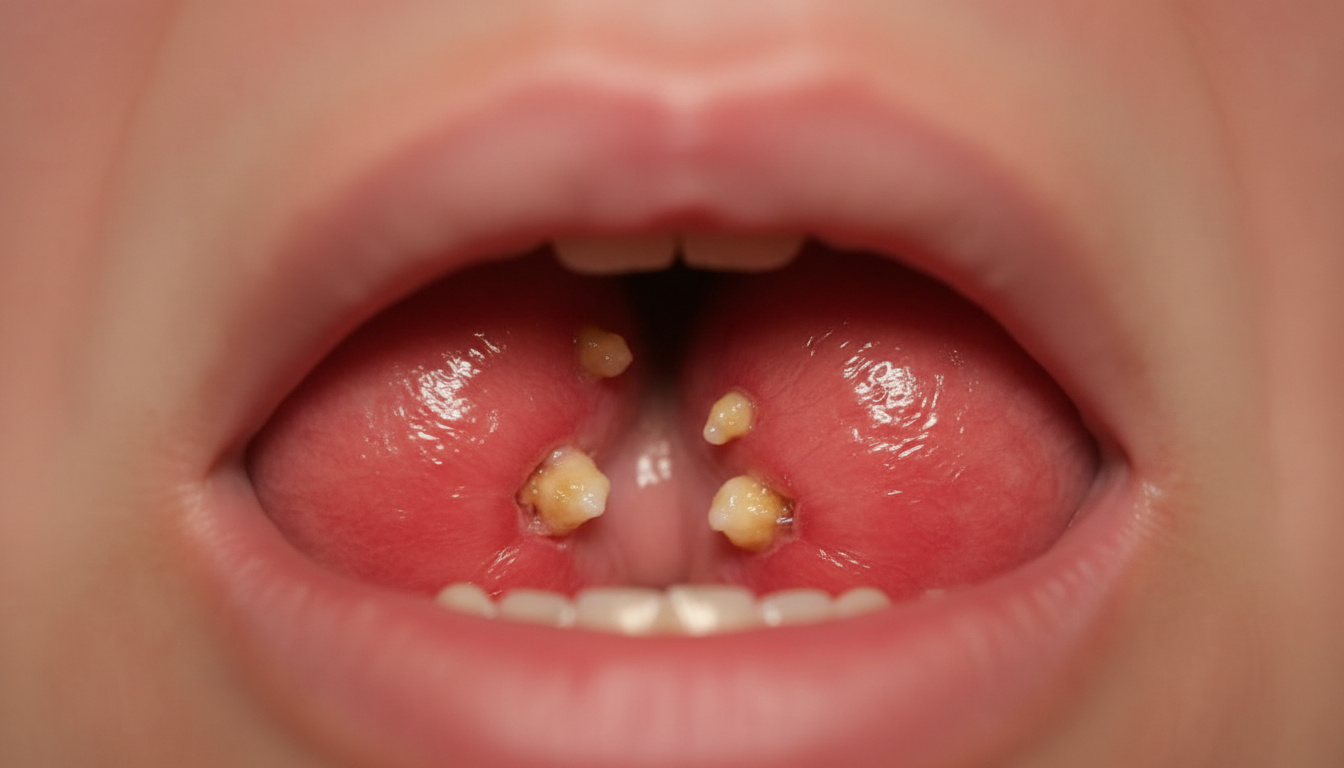

Small calcified formations known as tonsil stones develop when debris becomes trapped in the crevices of the tonsils and hardens over time. These formations, medically termed tonsilloliths, frequently produce persistent bad breath and throat discomfort, though many individuals remain unaware of their presence. Unlike acute infections, these accumulations typically form gradually through the mineralization of organic material.
The tonsils contain natural folds and pockets called crypts, which serve as part of the immune system by trapping incoming bacteria and particles. When food fragments, dead cells, mucus, and microorganisms accumulate in these crypts, they can calcify due to calcium deposits, creating solid white or yellowish lumps. This process occurs independently of infection, though chronic inflammation may accelerate stone development.
Recognition of specific symptoms allows for appropriate management and differentiation from conditions such as /sore-throat-remedies or streptococcal infections. While most cases resolve without medical intervention, certain indicators warrant professional evaluation to rule out complications or alternative diagnoses.
What Are the Symptoms of Tonsil Stones?
Clinical presentations vary widely, ranging from completely asymptomatic cases to persistent discomfort that interferes with swallowing and social interactions. Specialists note that volatile sulfur compounds produced by bacteria within stones generate a characteristic odor resembling rotten eggs, making halitosis the most frequently reported symptom.
Primary Indicator
Persistent halitosis represents the most frequently reported symptom, resulting from bacterial metabolic byproducts. Studies indicate tonsil stones account for a notable percentage of chronic bad breath cases.
Visual Markers
White or yellowish debris visible on the tonsil surface often signals stone presence. These spots may appear as small specks or larger granules embedded within the pink tonsillar tissue.
Physical Discomfort
Sore throat sensations, particularly during swallowing, commonly accompany larger stones. Referred pain may manifest as earache due to shared nerve pathways between throat and ear regions.
Somatic Sensations
Many patients report a metallic taste, especially upon waking or after meals, alongside a persistent feeling of something lodged in the throat. Chronic cough or frequent throat-clearing may also occur.
- Bad breath predominance: Research confirms halitosis occurs in the majority of symptomatic cases, often described as smelling similar to rotten eggs due to sulfur compounds.
- Invisible stones: Deeply embedded formations may produce symptoms without visible surface indicators, complicating self-diagnosis.
- Age correlation: Teenagers demonstrate higher incidence rates, possibly due to hormonal influences on saliva composition and tonsillar structure.
- Asymptomatic prevalence: A significant portion of carriers experience no discernible symptoms, with stones discovered incidentally during dental examinations.
- Referred pain patterns: Ear discomfort arises not from primary ear pathology but from shared cranial nerve innervation with the throat.
- Spontaneous resolution: Many formations dislodge or dissolve without intervention, particularly smaller accumulations.
- Hygiene connection: Poor oral maintenance correlates strongly with stone formation frequency and severity.
| Symptom | Description | Frequency |
|---|---|---|
| Halitosis | Persistent bad breath from sulfur compounds | Very common |
| Throat irritation | Scratchy or raw sensation, especially when swallowing | Common |
| Visible spots | White or yellow pebbles on tonsil surfaces | Common |
| Ear pain | Referred discomfort via shared nerve pathways | Occasional |
| Dysphagia | Difficulty swallowing larger stones | Occasional |
| Metallic taste | Unusual flavor, often morning-acute | Common |
| Chronic cough | Persistent throat clearing sensation | Occasional |
| Tonsil swelling | Inflammation secondary to irritation | Variable |
How Do You Know If You Have Tonsil Stones?
Accurate identification requires correlation of visual examination with symptomatic patterns. While some stones announce their presence through obvious surface protrusions, others remain concealed within deep crypts, detectable only through specialized examination or persistent symptomatic clues.
What Do Tonsil Stones Look Like?
Surface-level stones typically appear as small, irregular white or yellowish pebbles embedded within the pink tonsillar tissue. These calcified deposits range from pinhead-sized granules to larger formations exceeding five millimeters. Clinical observations note that stones exposed to air may darken slightly, while fresh formations maintain a lighter, cheese-like consistency and coloration.
When Symptoms Hide
Deeply lodged stones may evade visual detection while still generating significant symptoms. Patients experiencing unexplained halitosis or /bad-breath-causes alongside throat discomfort should consider tonsil stones even without visible white spots. Medical practitioners may employ palpation or imaging to locate hidden formations when surface examination proves inconclusive.
Inspect tonsils using a flashlight and mirror in bright lighting. Look for white or yellow flecks within the tonsillar crypts. Gently depressing the tongue with a clean spoon handle improves visibility. Avoid probing with sharp objects, which risks bleeding and infection.
What Causes Tonsil Stones?
The formation process begins when the tonsillar crypts trap organic debris that subsequently mineralizes. Dental researchers confirm that accumulated material often includes food particles, dead cells, bacteria, fungi, and mucus that harden over time.
Formation Mechanics
Tonsillar crypts naturally collect material as part of immune surveillance. When this accumulation includes food particles, bacterial colonies, fungi, and epithelial cells, the mixture gradually hardens through calcium deposition. Cleveland Clinic specialists emphasize that this calcification process resembles pearl formation, layer upon layer, creating increasingly solid masses over time.
Contributing Conditions
Chronic tonsillitis creates an ideal environment for stone development by deepening crypts and increasing cellular debris. Post-nasal drip from allergies or sinus conditions provides excess mucus that feeds bacterial growth within the tonsils. Additional factors include mouth breathing during sleep, acid reflux altering oral pH, and medications such as antihistamines or antidepressants that reduce saliva flow.
Demographic and Anatomical Factors
Teenagers experience higher incidence rates, likely due to hormonal fluctuations affecting oral microbiota and tonsil size. Individuals possessing naturally deep or extensive tonsillar crypts face increased risk regardless of hygiene practices. Dehydration concentrates oral secretions, accelerating mineralization, while chronic dry mouth eliminates the washing action of saliva that normally clears crypt debris.
Frequent tonsil infections, enlarged crypt anatomy, inadequate hydration, and certain prescription medications significantly increase susceptibility. However, stones can form even in individuals with excellent oral hygiene if anatomical crypt depth provides sufficient trapping potential.
Are Tonsil Stones Dangerous?
Medical consensus characterizes tonsil stones as generally benign conditions that rarely threaten long-term health. Clinical assessments confirm that the majority of cases require no specific treatment and resolve spontaneously. However, specific circumstances elevate risk profiles and necessitate professional intervention.
Typical Prognosis
Most formations remain small and asymptomatic, eventually dislodging during normal speaking, eating, or coughing. Research indicates that many individuals harbor stones without awareness, with the condition proving self-limiting in the majority of documented cases. Large stones represent the minority of presentations.
Complication Thresholds
Complications emerge when stones exceed five millimeters, cause persistent dysphagia, or trigger secondary infections. While stones themselves are rarely harmful, they occasionally precipitate chronic tonsil inflammation or recurrent tonsillitis requiring antibiotic therapy.
Seek ENT evaluation for stones exceeding 5mm, recurrent episodes occurring more than three to four times yearly, fever above 101°F, severe pain, facial swelling, difficulty breathing or swallowing, bleeding from attempted removal, or unexplained weight loss accompanied by persistent lymph node enlargement.
Many tonsil stones disappear without intervention within weeks to months. Persistent symptoms despite improved oral hygiene, or stones causing quality-of-life disruption, warrant professional removal procedures. If you’re concerned about potential flu vaccine side effects, it’s important to consult with a healthcare professional.
How Do Tonsil Stones Develop Over Time?
The evolution from normal tonsillar function to symptomatic stone formation follows a predictable pattern, though duration varies significantly between individuals. Understanding this progression helps distinguish temporary irritations from persistent conditions.
- Initial Accumulation: Debris begins collecting in tonsillar crypts, consisting primarily of food particles and cellular material. At this stage, formations remain microscopic and undetectable, producing no symptoms.
- Bacterial Colonization: Microorganisms populate the trapped material, beginning decomposition processes that generate volatile sulfur compounds. Patients may notice subtle breath changes before any visible signs appear.
- Calcification Onset: Calcium deposits gradually harden the accumulated debris over weeks or months. Small white flecks become visible upon close inspection, often described as resembling cottage cheese or small rice grains.
- Surface Emergence: As stones grow, they may protrude from crypt openings, becoming readily visible during oral examination. Physical sensations of foreign body presence intensify during this phase.
- Resolution or Complication: Stones either dislodge spontaneously through coughing or swallowing, or remain embedded causing persistent irritation. Secondary infection may develop if bacterial load exceeds local immune defenses.
What Do We Know for Certain About Tonsil Stones?
Scientific understanding of tonsilloliths has expanded significantly, though certain aspects remain under investigation. Distinguishing established facts from theoretical uncertainties guides realistic expectations and appropriate management.
| Established Information | Remaining Uncertainties |
|---|---|
| Stones consist of calcified debris including food, bacteria, and dead cells | Precise predictors of who will develop recurrent stones |
| Halitosis results from bacterial sulfur compound production | Variable correlation between stone size and symptom severity |
| Deep crypt anatomy increases formation risk | Long-term effects of chronic low-grade tonsil stone presence |
| Most cases resolve without treatment | Optimal prevention protocols for high-risk individuals |
| Teenagers show higher incidence than other age groups | Complete microbiome profiles of stone-forming bacteria |
| Professional removal is safe and effective for problematic cases | Predictors of spontaneous dislodgement versus persistence |
Understanding Tonsil Stones in Context
The tonsils function as lymphoid tissue forming the first line of immune defense against ingested and inhaled pathogens. Their specialized crypt structure maximizes surface area for antigen sampling but inadvertently creates pockets where debris accumulates. This anatomical trade-off explains why stone formation represents a structural byproduct rather than a disease process.
Historical medical literature increasingly recognizes tonsil stones as common anatomical variations rather than pathological conditions. Family physician resources emphasize patient education regarding the benign nature of most cases, reducing unnecessary anxiety and antibiotic seeking. The condition frequently coexists with other upper respiratory tendencies, including post-nasal drip and seasonal allergies, suggesting interconnected mucosal defense mechanisms.
Expert Insights
Clinical perspectives from major medical institutions provide authoritative context for understanding these formations. Their observations inform both home management strategies and clinical decision-making thresholds.
“Tonsil stones form when debris becomes trapped in tonsillar crypts and calcifies. This debris can often be food, although bacteria, fungi, and mucus also contribute.”
— Cleveland Clinic
“Bad breath is the most common symptom, occurring because bacteria trapped in the stones produce volatile sulfur compounds—the same chemicals that give rotten eggs their distinctive smell.”
— Sleep and Sinus Centers
“Tonsil stones are usually not harmful and may not need to be treated. Many tonsil stones go unnoticed and resolve without intervention.”
— Mayo Clinic Health System
What to Do Next
Individuals experiencing persistent throat discomfort, unexplained halitosis, or visible white spots should first implement conservative measures including salt water gargling and enhanced oral hygiene protocols. Should symptoms persist beyond several weeks, cause significant pain, or interfere with swallowing and breathing, consultation with an ENT specialist ensures appropriate evaluation and safe removal options.
Frequently Asked Questions
Do tonsil stones produce a distinct odor?
Yes, the bacterial decomposition within stones generates volatile sulfur compounds responsible for a characteristic rotten egg or fecal odor that persists despite brushing.
Can you feel tonsil stones without seeing them?
Deeply embedded stones often create foreign body sensations or throat irritation without visible surface indicators, requiring clinical examination for confirmation.
Why do some people experience recurring stones?
Persistent deep crypts, chronic post-nasal drip, or habitual mouth breathing create ongoing conditions favorable to repeated formation despite removal of previous stones.
Are tonsil stones contagious?
No, tonsil stones represent calcified personal debris and bacterial biofilms native to one’s own oral microbiome, posing no transmission risk to others.
How rapidly do tonsil stones form?
Formation typically requires weeks to months of gradual calcification, though acute debris trapping may cause symptomatic irritation within days.
Can tonsil stones cause permanent damage?
Untreated stones rarely cause permanent structural damage, though chronic inflammation may occasionally contribute to persistent tonsillitis requiring surgical intervention.
Related stories




Liam O'Brien covers Australian politics and public affairs for Coast Pulse.