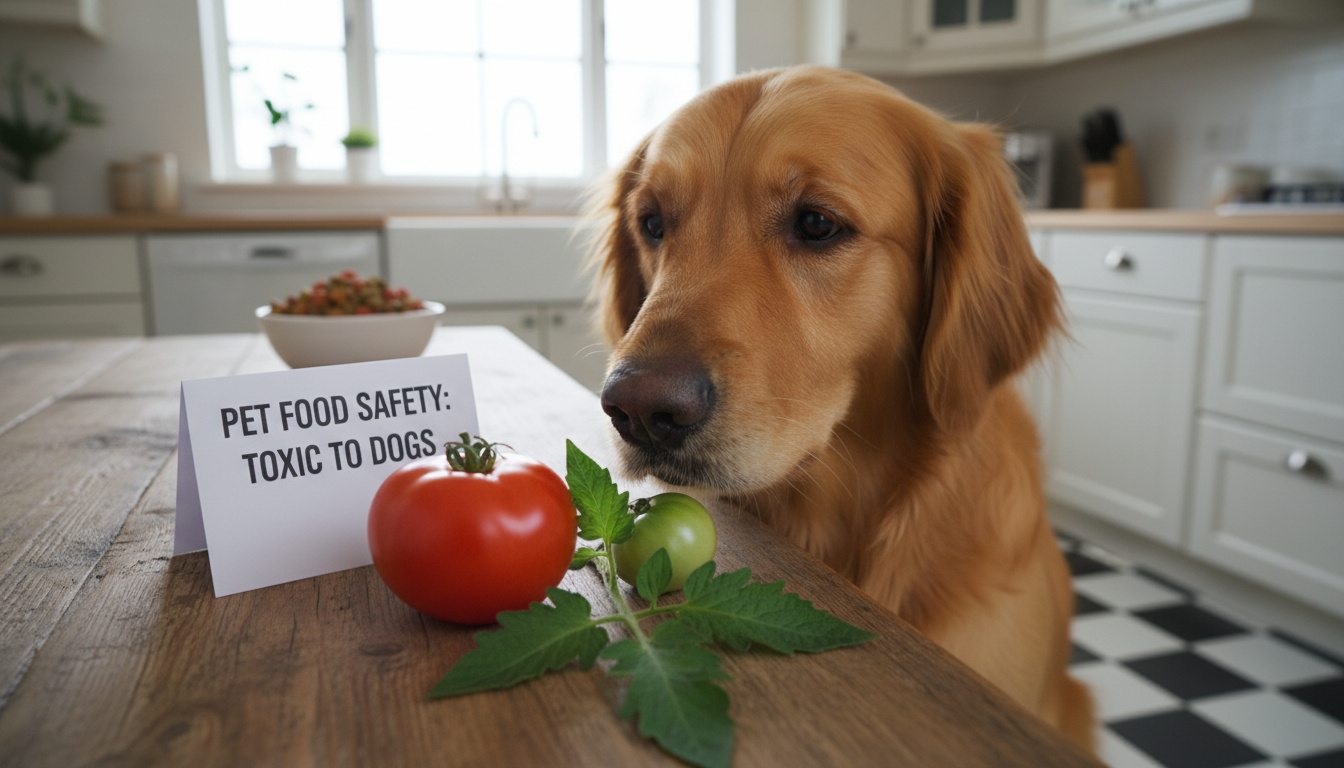
Pet owners often wonder whether sharing a slice of tomato with their dog is safe. The answer depends entirely on which part of the plant and how ripe the fruit is. While ripe, red tomatoes generally pose little threat in small quantities, the green parts of the plant contain compounds that can seriously harm your dog.
Botanically a fruit but culinarily treated as a vegetable, the tomato belongs to the nightshade family. This classification explains why certain parts contain solanine and tomatine, glycoalkaloids that defend the plant but trigger toxic reactions in canines. Understanding the distinction between ripe flesh and vegetative growth prevents unnecessary panic while ensuring garden safety.
Veterinary toxicologists confirm that toxicity levels vary dramatically based on plant maturity and preparation. Ripe fruit contains negligible amounts of tomatine, while leaves, stems, and unripe tomatoes harbor concentrations capable of causing clinical poisoning.
Can Dogs Eat Tomatoes?
Safe in moderation; minimal toxin levels
Mildly toxic; contains concentrated tomatine
Highly toxic; solanine concentration highest here
Avoid entirely; additives pose independent risks
- Tomatine primarily affects the gastrointestinal system, causing vomiting and diarrhea
- Ripe tomatoes provide vitamins A and C, potassium, fiber, and antioxidants like lycopene
- Puppies and small breeds face higher risk from smaller toxin amounts due to body weight ratios
- Processed tomato products often contain onions, garlic, and excessive sodium
- Cherry tomatoes follow identical safety protocols as standard varieties
- Physical barriers remain essential for dogs with garden access
| Plant Part | Toxicity Level | Primary Toxin | Symptoms | Safe Amount |
|---|---|---|---|---|
| Ripe Red Flesh | Low | Tomatine (trace) | None expected | Small occasional slices |
| Green (Unripe) Tomato | Moderate | Tomatine/Solanine | GI upset, drooling | Avoid |
| Leaves | High | Solanine | Vomiting, tremors, weakness | None |
| Stems | High | Solanine | Lethargy, confusion | None |
| Vines | High | Solanine | Diarrhea, seizures (rare) | None |
| Cherry Tomatoes (Ripe) | Low | Tomatine (trace) | None expected | 1-2 pieces |
| Cherry Tomatoes (Green) | Moderate | Tomatine | Stomach upset | Avoid |
| Tomato Sauce/Ketchup | Variable | Additives (onion/garlic/salt) | Variable | Avoid |
Which Parts of the Tomato Plant Are Dangerous for Dogs?
Leaves, Stems, and Vines
The vegetative parts of the tomato plant contain the highest concentrations of solanine, a glycoalkaloid that acts as a natural pesticide. According to the American Kennel Club, these green components cause the most severe reactions. Dogs cannot distinguish between safe and unsafe plant parts, making unrestricted garden access particularly hazardous.
Unripe Fruit Risks
Green tomatoes contain significant tomatine levels that drop as the fruit matures and turns red. The Farmer’s Dog notes that while a single small green tomato might only cause mild stomach upset in a large dog, smaller breeds and puppies face greater danger from equivalent amounts.
Vulnerability in Puppies and Small Breeds
Body weight significantly influences toxic thresholds. A dose that causes minor discomfort in a German Shepherd might trigger severe symptoms in a Chihuahua. Puppies face additional risks due to their developing metabolic systems and smaller body mass, requiring stricter prevention measures.
Physical barriers remain the most reliable prevention method. Fencing off tomato plants prevents dogs from nibbling on toxic foliage, particularly during the exploratory chewing phase of puppyhood.
Are Cherry Tomatoes, Green Tomatoes, or Tomato Sauce Safe for Dogs?
Cherry Tomatoes
Cherry tomatoes follow identical safety protocols as their larger counterparts. Red Gold Tomatoes confirms that ripe cherry tomatoes pose minimal risk, while green ones carry the same tomatine hazards as unripe beefsteak varieties. Their small size makes them convenient treats but also easier to choke on, necessitating proper cutting.
Green Tomatoes
Unripe tomatoes should never be offered to dogs intentionally. The tomatine concentration remains high enough to cause gastrointestinal distress, hypersalivation, and lethargy. Even partially green tomatoes carry residual risks until fully ripened.
Processed Tomato Products
Commercial tomato sauces, ketchups, and soups often contain onion powder, garlic, excessive salt, and sugar—ingredients independently toxic to canines. PetMD specifically advises against sharing these products, as the additive profile creates risks unrelated to the tomato itself.
Always wash fruit thoroughly to remove pesticides, remove any attached stems or leaves, and cut into bite-sized pieces to prevent choking. Introduce tomatoes gradually to monitor for individual digestive sensitivity or allergic reactions.
What Should You Do If Your Dog Eats a Tomato Plant?
Immediate Assessment
First, identify exactly what the dog consumed and estimate the quantity. Leaves or stems require immediate veterinary consultation, while a small piece of ripe fruit typically warrants only observation. Remove any remaining plant material from the dog’s mouth to prevent additional ingestion.
Recognizing Poisoning Symptoms
ThinkJinx and veterinary sources document specific clinical signs including excessive drooling, vomiting, diarrhea, lethargy, weakness, tremors, and confusion. Symptoms typically appear within hours of ingestion, though delayed reactions occur depending on the amount consumed and the dog’s size.
Veterinary Intervention
Contact your veterinarian or a pet poison hotline immediately if the dog consumed leaves, stems, or unripe fruit, or if symptoms develop. Professional care focuses on managing gastrointestinal distress through supportive treatment. Severe cases requiring intensive intervention remain rare but possible when large quantities of toxic plant parts are involved.
Keep the Pet Poison Helpline contact information accessible. Do not attempt home remedies such as inducing vomiting without explicit professional guidance, as improper technique can worsen the situation.
How Does Tomato Toxicity Risk Change As the Plant Grows?
- Seedling Stage: All above-ground vegetation contains concentrated solanine; high toxicity risk throughout the plant.
- Flowering Stage: Leaves and stems remain highly toxic; no fruit present to distract from dangerous vegetation.
- Early Fruiting: Green tomatoes emerge containing significant tomatine levels comparable to the leaves.
- Ripening Process: As fruit turns from green to yellow to red, tomatine levels drop precipitously in the flesh while remaining high in stems and leaves.
- Full Maturity: Red flesh contains minimal toxins safe for occasional consumption; vegetative parts remain consistently dangerous.
What Do Veterinarians Confirm vs. What Remains Uncertain?
| Well-Established Facts | Uncertain or Variable Factors |
|---|---|
| Solanine and tomatine cause clinical signs of poisoning in canines | Exact milligram toxicity threshold per kilogram of body weight |
| Ripe tomato flesh contains negligible toxin levels | Breed-specific metabolic differences in glycoalkaloid processing |
| Green plant parts produce vomiting, diarrhea, and neurological symptoms | Long-term effects of chronic low-dose exposure |
| Smaller dogs show symptoms with smaller doses | Individual variation in sensitivity unrelated to size |
| Processed sauces contain dangerous additives | Interaction effects with other dietary components |
Why Do Tomatoes Contain Toxins in the First Place?
Tomatoes belong to the Solanaceae or nightshade family, sharing lineage with potatoes, eggplants, and belladonna. These plants evolved glycoalkaloids like solanine as chemical defenses against herbivores and insects. The compounds disrupt cell membranes and inhibit nervous system enzymes in pests—and unfortunately, in dogs as well.
Interestingly, the same plant produces nutritional benefits once ripened. Ripe tomatoes contain lycopene, beta-carotene, and vitamin C that support canine cellular function and immune health. This dual nature—toxic when immature or vegetative, nutritious when ripe—creates the confusing safety profile that puzzles pet owners.
What Do Veterinary Authorities Say About Canine Tomato Consumption?
Ripe tomatoes are non-toxic, but tomato plants, including the stems, leaves, and unripe fruit, should be kept away from dogs. If you grow tomatoes, make sure they’re in an area your dog can’t access.
The ripe fruit of the tomato plant is considered non-toxic to dogs. However, the plant itself, as well as unripe tomatoes, contain toxins that can cause serious side effects.
While dogs can eat tomatoes, sharing too much with your dog can lead to an upset stomach due to the acidity. It’s best to offer tomatoes as an occasional treat.
— PetMD
Bottom Line: Can Dogs Have Tomatoes?
Ripe, red tomato flesh serves as an occasional safe treat for most dogs when prepared properly and served without stems or leaves. All other plant parts—stems, leaves, vines, and unripe green tomatoes—pose documented toxicity risks requiring strict avoidance. Monitor your pet closely if garden access occurs, and consult poisoning symptom resources immediately if ingestion of toxic parts happens.
Frequently Asked Questions
Can puppies eat tomatoes?
Puppies face higher risks than adult dogs due to smaller body mass and developing metabolism. While the same rules apply—ripe flesh only, no green parts—many veterinarians recommend waiting until adulthood before introducing acidic foods like tomatoes to avoid digestive upset.
How much tomato can a dog safely eat?
Portion sizes depend on the dog’s size, but guidelines suggest one or two small slices for large dogs and half a cherry tomato for smaller breeds. Tomatoes should constitute less than 10% of daily caloric intake and offered only occasionally.
Are tomato plants poisonous to dogs if touched but not eaten?
Simply touching the plant poses no toxicological threat; solanine and tomatine require ingestion to cause harm. However, contact with the plant’s sticky hairs might irritate sensitive skin, and pollen could trigger allergies in susceptible dogs.
What if my dog ate just one green tomato?
A single green tomato might cause mild stomach upset in large dogs but could produce more significant symptoms in toy breeds. Monitor for vomiting, diarrhea, or lethargy for 24 hours, and contact a veterinarian if symptoms appear or worsen.
Can dogs eat sun-dried tomatoes?
Plain sun-dried tomatoes without added salt, garlic, or sulfur dioxide preservatives are technically safe in very small amounts, but their concentrated acidity and fiber content often cause digestive distress. Most veterinarians advise against them.
Is pasta sauce dangerous for dogs?
Commercial pasta sauces contain onions, garlic, excessive salt, and sugar—all toxic or harmful to dogs. Even small amounts can trigger hemolytic anemia from onion toxicity or sodium poisoning, making these products particularly dangerous compared to fresh fruit.
Do all dog breeds react the same way to tomatoes?
While the toxic mechanisms affect all breeds similarly, individual sensitivity varies. Brachycephalic breeds might experience more severe respiratory distress if vomiting occurs, and herding breeds with MDR1 gene mutations may show heightened sensitivity to various plant compounds.

Rachel Bennett leads fact-checking, source verification and corrections at Coast Pulse.